Unhealthy snacking is one of the most common habits that can make healthy eating difficult. Many people start their day with good intentions, but after a few hours they find themselves reaching for chips, cookies, candy, sugary drinks, or other processed foods. I believe the problem is not always a lack of willpower. In many cases, unhealthy snacking happens because we are hungry, bored, stressed, tired, or simply surrounded by tempting foods.
Learning how to avoid unhealthy snacking during the day does not mean you have to stop eating snacks completely. Instead, the goal is to understand why you snack and make better choices when hunger appears. With a few simple changes, it becomes much easier to control cravings and maintain healthy eating habits.
Understand Why You Snack
The first step I recommend is understanding the reason behind your snacking. Sometimes we eat because our body needs food, but sometimes we eat because we are bored or looking for something enjoyable.
For example, you may find yourself eating while watching television even though you had a meal recently. You may also reach for sweets when you are stressed at work or studying. In these situations, the problem may not be physical hunger.
Before grabbing a snack, I like to ask myself whether I am actually hungry. If the answer is yes, having a healthy snack can be a good choice. If I am only bored or stressed, I try to deal with the real reason instead of eating automatically.
Eat Balanced Meals
One of the best ways to avoid unhealthy snacking is to eat satisfying meals during the day. When meals are too small or lack important nutrients, hunger can return quickly.
I find that meals containing protein, vegetables, whole grains, healthy fats, and fruit can help keep me satisfied for longer. Foods such as eggs, yogurt, beans, chicken, vegetables, oats, brown rice, and nuts can be useful choices.
A balanced breakfast can also make a big difference. Starting the day with a meal that provides protein and fiber may help reduce strong cravings later in the morning.
Do Not Skip Meals
Skipping meals may seem like an easy way to reduce food intake, but it can sometimes lead to intense hunger later. When you become extremely hungry, it is much harder to make thoughtful food choices.
For example, if you skip lunch and become very hungry in the afternoon, you may eat whatever is easiest to find. This could be cookies, chips, fast food, or sugary drinks.
I believe regular meals are a better approach for most people. Eating at reasonable times can help prevent extreme hunger and make healthy snacking easier.
Keep Healthy Snacks Available
Your environment can have a major influence on your eating habits. If your kitchen is full of cookies, candy, chips, and other highly processed foods, you may naturally reach for them when you are hungry.
One simple solution is to keep healthier foods within easy reach. Fruits, vegetables, plain yogurt, nuts, seeds, boiled eggs, and homemade snacks can be convenient options.
I like the idea of preparing healthy snacks before hunger becomes strong. When healthy food is already available, I am less likely to choose something simply because it is quick.
Avoid Eating Directly From the Package
Another simple habit is to avoid eating snacks directly from a large package. When we eat this way, it is easy to lose track of how much we have consumed.
Instead, I recommend putting a reasonable amount into a small bowl or plate. This creates a clear stopping point and makes it easier to pay attention to the food.
This does not mean you have to measure every bite. The purpose is simply to become more aware of your portions and avoid mindless eating.
Drink Enough Water
Sometimes thirst can feel similar to hunger, especially when you have been busy for several hours. Staying hydrated throughout the day can support better eating habits.
I try to keep water nearby while working, studying, or doing household activities. If I suddenly feel like eating something even though I recently had a meal, I may drink some water first and wait a few minutes.
Water should not be used to ignore genuine hunger, but drinking enough throughout the day can help prevent confusion between thirst and hunger.
Reduce Stress Without Using Food
Stress can make unhealthy snacking much more tempting. When people feel overwhelmed, they may look for quick comfort from sweet or salty foods.
I think it is helpful to have other ways to deal with stress. Taking a short walk, listening to music, talking with a friend, stretching, reading, or taking a few quiet minutes can sometimes reduce the desire to snack.
The goal is not to eliminate every stressful moment. Instead, it is about creating alternatives to emotional eating.
Get Enough Sleep
Poor sleep can make healthy eating more difficult. When you are tired, you may have less energy to prepare nutritious meals and may be more attracted to convenient foods.
A consistent sleep routine can support better daily habits. I believe that getting enough rest makes it easier to make sensible food choices because you are not constantly trying to overcome tiredness.
If you often feel exhausted during the day, improving your nighttime routine may be worth considering.
Avoid Mindless Snacking While Watching Screens
Television, phones, and computers can make it easy to eat without paying attention. When your focus is on a show or social media, you may continue eating even after you are satisfied.
One habit I find useful is keeping snacks away from the television or computer when possible. If I decide to eat something, I try to sit down and focus on the food.
Eating more mindfully allows you to notice the taste, texture, and amount you are consuming. This can make a simple snack more satisfying.
Plan Your Snacks
Planning does not mean you need a complicated diet schedule. It can be as simple as knowing what healthy options you will have available during busy parts of the day.
If you usually become hungry in the afternoon, prepare something before that time arrives. An apple with a small amount of peanut butter, yogurt with fruit, vegetables with hummus, or a small handful of nuts can be convenient options.
Having a plan removes some of the decision making when hunger appears.
Learn to Handle Cravings
Cravings are normal, and I do not think you need to completely eliminate your favorite foods. Trying to ban every treat can sometimes make you want it even more.
Instead, I prefer a balanced approach. If I really want something sweet, I can enjoy a reasonable portion without turning it into an all day eating session.
The important thing is to avoid thinking that one unhealthy snack has ruined everything. One choice does not define your entire eating pattern.

Make Healthy Food More Interesting
Healthy snacks do not have to be boring. One reason people choose unhealthy foods is that they believe healthier options are less enjoyable.
You can make simple foods more appealing by combining different flavors and textures. For example, fruit can be combined with yogurt, vegetables can be served with a flavorful dip, and oats can be mixed with fruit and nuts.
Trying different combinations can help you discover healthy snacks that you genuinely enjoy.
Create a Better Daily Routine
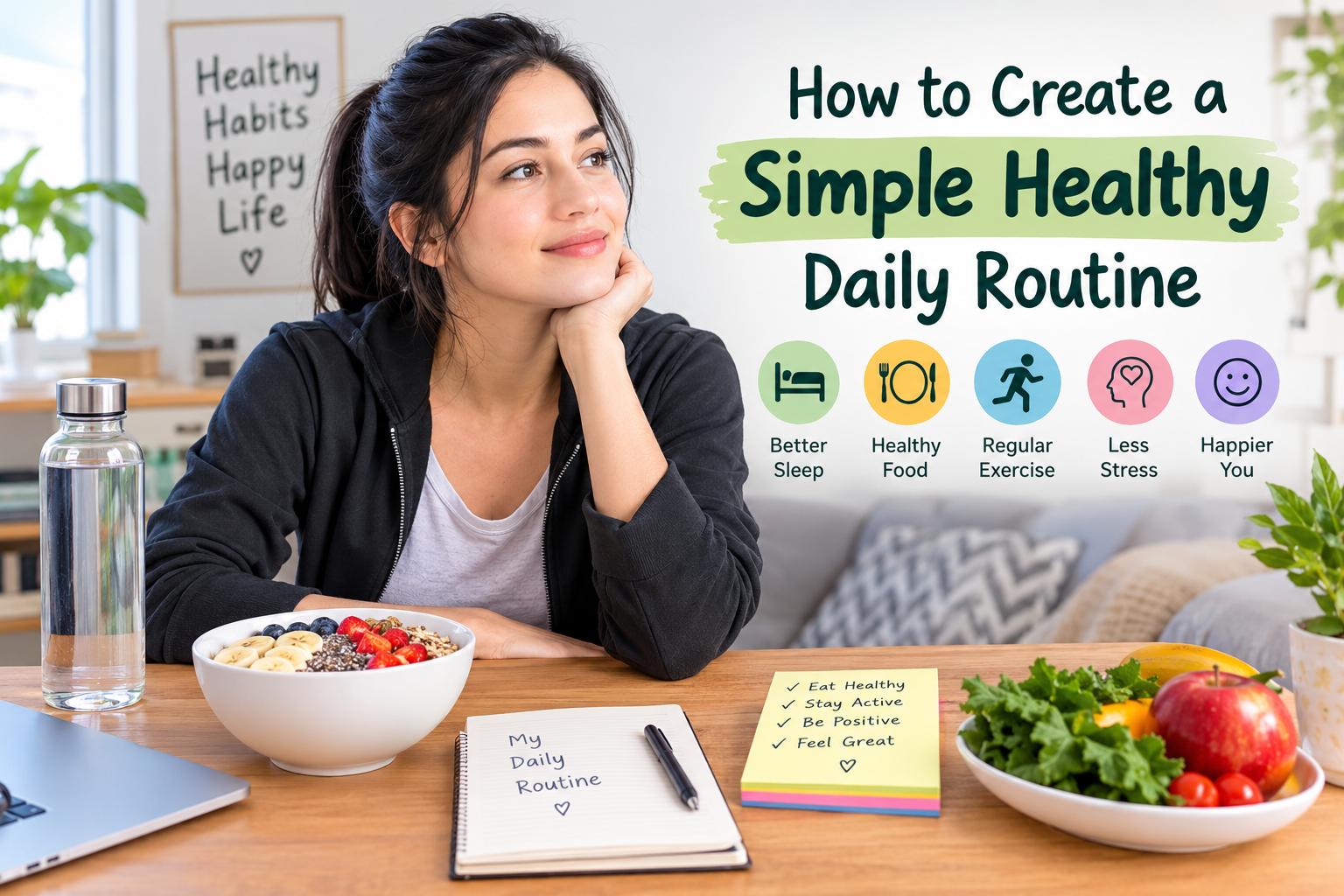
Your daily routine can strongly influence your eating habits. If you regularly go many hours without eating, stay up late, sleep poorly, and keep unhealthy foods nearby, avoiding unhealthy snacking will naturally feel difficult.
Small changes can make the process easier. Eat regular meals, prepare food ahead of time, drink water, keep healthy snacks available, and create time for rest.
I believe consistency matters more than perfection. You do not need to completely change your lifestyle overnight.
Do Not Aim for Perfection
One of the biggest mistakes I see with healthy eating is the belief that everything has to be perfect. This mindset can make people feel discouraged after eating an unhealthy snack.
Healthy eating is about your overall habits, not one cookie or one packet of chips. If you make a less healthy choice, simply return to your normal routine at the next meal.
There is no need to punish yourself or skip meals afterward. A calm and balanced approach is much easier to maintain over time.
Final Thoughts
Learning how to avoid unhealthy snacking during the day is mainly about understanding your habits and creating an environment that supports better choices. You do not have to stop eating snacks completely. Instead, focus on recognizing real hunger, eating balanced meals, drinking enough water, getting proper rest, and keeping nutritious foods available.
In my opinion, the most effective approach is to make healthy choices easier rather than depending entirely on willpower. Prepare snacks before you need them, keep tempting foods less accessible, and pay attention to why you are reaching for food.
Most importantly, give yourself time to build better habits. Healthy eating is not about being perfect every day. It is about making better choices consistently and finding a routine that you can realistically follow. With patience and simple planning, avoiding unhealthy snacking can become a natural part of your daily lifestyle.